

A public market is an indispensable fixture in every Filipino community. There is at least one in each municipality. It continues to thrive despite the rise of shopping malls, supermarkets, mini groceries, and even food deliveries. In remote towns and villages, people depend on public markets for their home consumption needs, and as a place for socializing and getting local news.
But a public market can serve a larger purpose. With the presence of a few key elements, some of which can be set up with doable actions or just involve redesign, the place can be a showcase of the best and unique in a community, attracting visitors and creating additional source of tourist revenue, spurring new local livelihoods, and benefiting the whole community. This is, as they say, a “low-hanging fruit” for expanding and enriching a local economy cost-effectively.
Public markets can enrich a local economy in so many ways.
In 2021, the World Bank completed a study that proposes to develop selected public markets in Bohol into “destination markets.” The choice of towns for inclusion in the destination markets program was based on their accessibility to other attractive locations or attractions (e.g., with fully functioning ports, good roads, in a strategic location), level of commercial development which can support a critical mass of foot traffic, and with unique features that can produce lasting visitor experience (man-made and natural attractions, distinctive culture, commodity/product niches, etc.) The program considered seven Bohol towns, namely Antequera, Getafe, Jagna, Talibon, Trinidad, Tubigon, and Ubay.
The study adopts the proposition advanced by the Project for Public Spaces (PPS) initiative. The PPS identifies public markets as public spaces that shape communities and economies for the better by providing economic opportunity, linking rural and urban communities, and bringing together diverse people, among others. Not just a place where people buy and sell wares for home consumption.
Our team, commissioned to plan resilient, inclusive, and sustainable infrastructure support facilities for selected prime tourist locations in the country that included Bohol, added three more public markets to the list. Massive tourist traffic already exists near one of these places (the Chocolate Hills visitors) which can be tapped by making the destination market an added itinerary in the tourism circuit. The three locations also have landmarks and natural endowments that can be harnessed for tourism, farm and product specialization, and access to other quaint villages.
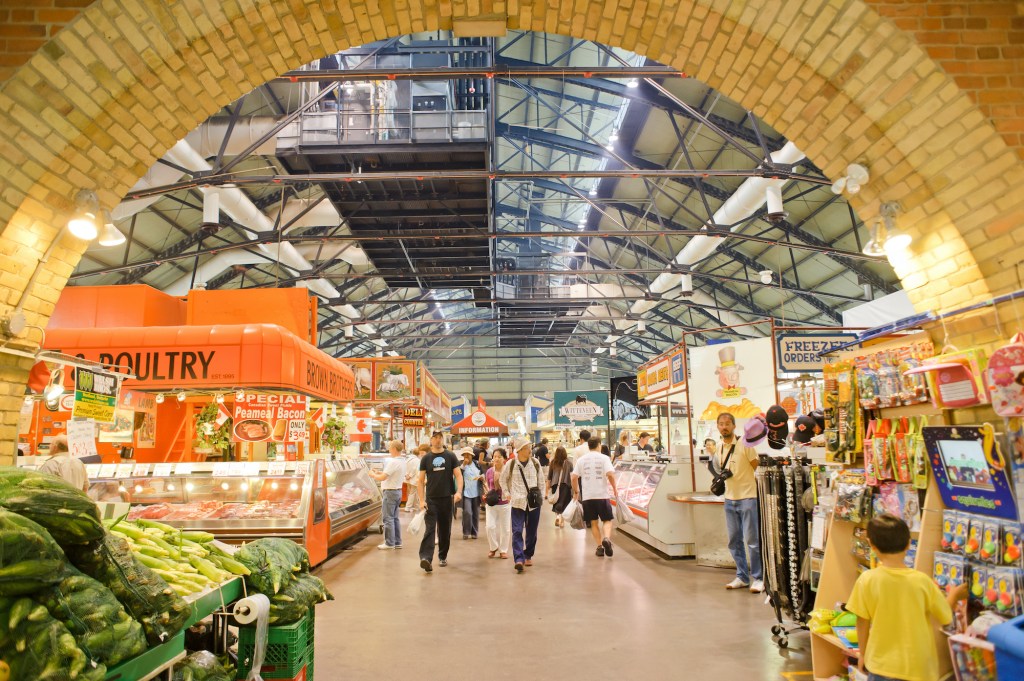
For a destination market to succeed, the following elements should be present, or established if lacking:
- Architectural design that emphasizes the uniqueness, culture, and identity of the local community for branding
- Clean, comfortable, well-lighted, well-ventilated, and spacious interiors. With basic amenities, such as well-maintained toilets, first aid and emergency care capability, parking space, etc.
- A mini-park or flora landscape that improves the aesthetics and greenery of the place
- Revitalized old and iconic shrines, monuments, or activity centers (theater, cultural center, etc.) within the public market area or nearby to give a sense of history or feel of culture
- Presence of souvenir shops for arts and crafts, restaurants serving local dishes, stalls selling local produce; and with features that will make visitors stay longer, such as coffee shop, tourist center, park benches, to showcase of what the community has to offer.
- Festivals, events, cultural and entertainment shows, flea markets and bazaars organized near or around the market.
- Built as a public space where people can relax, socialize, imbibe the place, and have memorable experiences.
- Professionalized market management and with good customer service skills
The public market can be part of the tourism circuit to draw more tourists and make them spend more time within the enhanced circuit. PPS has established its so-called “Power of 10” which suggests that at least 10 places of interest or activities must exist in a location to evolve into a significant tourism destination. The public market turned into a destination market can be one of these places.
About this Research
The transformation of selected public markets into destination markets is among the priority projects identified by the study team and stakeholders for Bohol province under the TouRIST (Tourism Infrastructure Development Plans for Transforming Communities Towards Resilient, Inclusive and Sustainable Tourism) Program of the National Economic and Development Authority (NEDA) in 2020-21.
 Bing Icamina | Economist & Management Consultant