
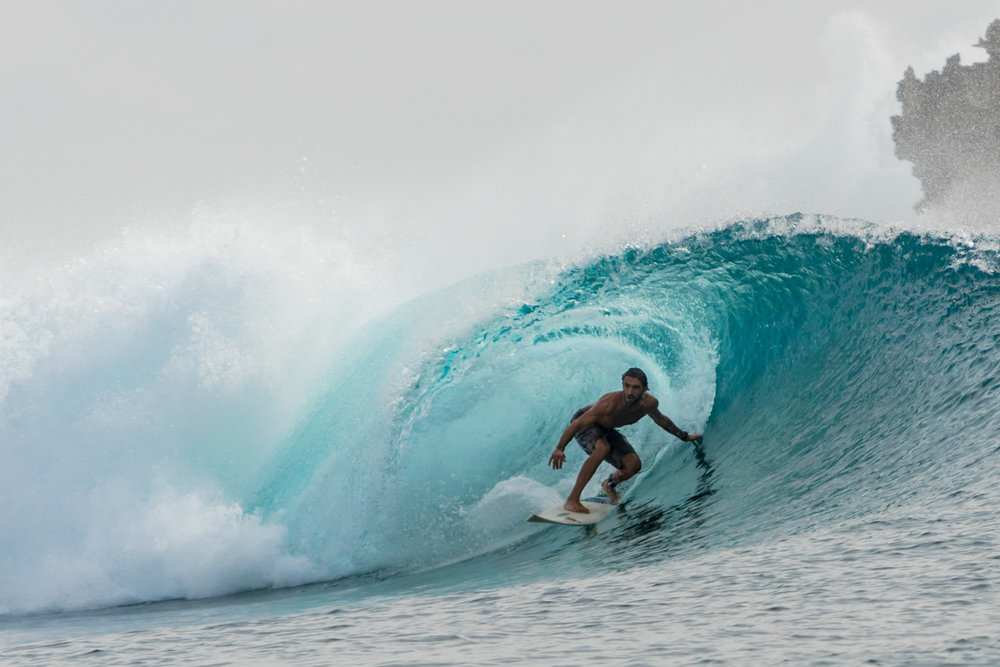
Siargao was a sleepy island that was beginning to awaken in the late 1990s. From a handful of foreign and local surfing enthusiasts, the crowd soon swelled as talks of its amazing waves reverberated and attracted the global surfing community. The crest of waves crashing through the seas on the western side of the tear-shaped island stirred excitement, challenge, and reverence among enthusiasts that eventually major international events were hosted there. Even dabblers and fans of the sport, and friends and relatives of competitors came.
Data from the Department of Tourism showed that there were 1,000 visitors that checked in on accommodation establishments outside of Surigao City – presumably in Siargao, the DOT started to count the numbers specifically for the island only in 2 nd decade of the 21 st century – in the Surigao del Norte province. In 2019, the number had reached nearly 258,000, a 258-fold increase in 19 years! In comparison, foreign and local visitors all over the country increased just three-fold in the same period. Siargao as a destination was built on sports tourism. It became known as the surfing capital of the Philippines, and among the top surfing destinations in the world. Visitor traffic peaks in the September-November period, when wave conditions are at their best especially in the spot called Cloud 9. This brief season is enough to sustain the economy of the island for the rest of the year, when the crowd is down due to heavy rains, or wave sizes are less than ideal.

But the visitors later discovered that the place had more to offer. Quaint villages of rice paddies and long rows of coconut trees. Clear, blue water pools on rocky flats. Lush mangroves. Dazzling beaches and great dive sites. People now come not just for the surfing, and visits have stretched beyond the surfing season.
Siargao is bouncing back from the COVID-19 lockdown and the super typhoon in late 2021 as its surfing waves, patches of green, vast expanse of white sand, and the warmth of its people will also be there to welcome visitors.
Another model is emerging that harnesses sports as instrument for attracting more tourists. The construction of world class sports facilities, such as swimming pools, track stadiums, and living quarters for competitors when it hosted certain events during the 2019 Southeast Asian Games has established the Clark Freeport and New Clark City as a viable host for major international and national sports events. It is also becoming a location for athletes’ training centers and camps.
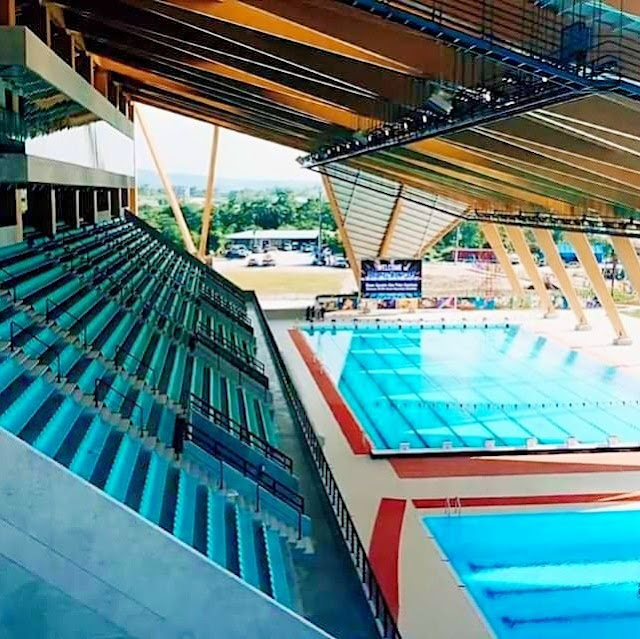
Added advantages of Clark are the presence of good transport, communications, and other infrastructure; adequate accommodation establishments; and significant commercial support development, among others.
Its title as the country’s “Sports Tourism Venue” accorded by the Philippine Sports Tourism Awards (PSTA) in recent years is due in large part to its proven track record to successfully hold high-profile events even during the most difficult period of the COVID-19 pandemic. It hosted the PBA bubble tournament between July and December 2021. It became a choice venue for FIBA Asia Cup Qualifiers in June 2021.
Even without sports tourism, Clark and its vicinity is already thriving as an industrial and MICE destination. But harnessing sports events and training has been adopted as a strategy by Clark to further boost visitor traffic.
Which is probably true for most major cities of the world, which are eager and have the capability to host the Olympics, FIFA World Cup, and other world championships, for prestige and honor as they already draw horde of visitors even without these events. Nonetheless, such spectacles are a bonus. In just 2-4 weeks, they could potentially achieve the scale of tourism of up to the entire year under normal times.
Siargao has benefited from its physical advantage as a surfing site. Clark has already a niche crowd which it capitalized on to further push the numbers by providing facilities for hosting world class sports events.
These two examples give a glimpse of two approaches in sports tourism development and their implications to the country’s entire tourism sector and the economy. Siargao has benefited from its physical advantage as a surfing site, and the crowd that came were shown to other natural attractions of the place to keep them coming and make them stay longer. Clark has already a niche crowd which it capitalized on to further push the numbers by building and offering facilities for hosting world class sports events.
There are other places in the country tapping the potential of sports activities, such as the annual Ironman event in Metro Cebu, watersports complex in Camarines Sur, the athletic bowl in Baguio City.
About this Research
The second part of the article cites cases of sports tourism in the country, notably Siargao as the “surfing capital of the Philippines” and New Clark City as a world multi-sports venue.
 Bing Icamina | Economist & Management Consultant